
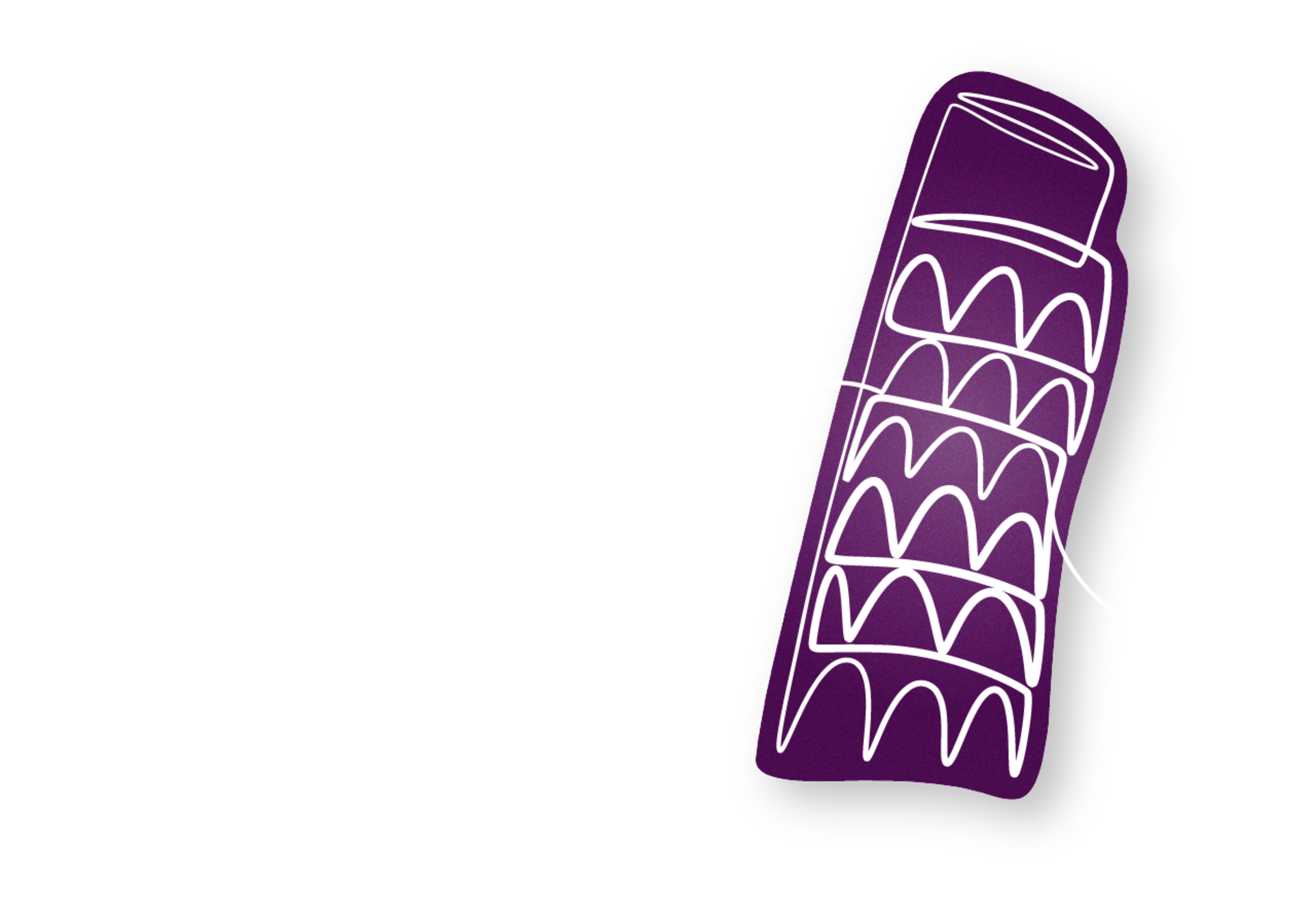
In a thriving 12th-century Pisa – expanding fast and full of ambition – 1173 saw a monumental bell tower begin to take shape. Designed with grandeur in mind, as yet oblivious to the fame of its flaws.
The project was a symbol of civic pride and religious devotion, but within five years, the tower had started to tilt.
The failings? Soil that was too soft and foundations that were far too shallow. Still, construction continued. Builders adjusted each new level to counter the lean – a method that gave the tower its distinctive curve and lasting name: the Leaning Tower of Pisa.
The initial error was simple but critical, triggering one of the most well-known architectural miscalculations in history. Delays spanned generations. By the 1990s, the tower was on the brink of collapse and over €30 million¹ was poured in to fortify it. Even today, satellite and terrestrial systems monitor the slightest shift in its position making it one of the most monitored monuments in the world.
A charming tilt today. A structural headache for centuries.
A tale of modern mistakes
Fast forward to now, and mistakes still happen, only they’re less charming and the consequences are far less forgiving.
In modern industry, where technology thrives, risk isn’t limited to structural flaws. It shows up in overheated server rooms, untested fire alarms or backup generators gathering dust. In smart buildings and high-output plants, small oversights can quickly escalate, leading to fire, non-compliance and serious operational fallout.
Take the OVHcloud fire in 2021. This time, the structure wasn’t marble – it was a data centre in Strasbourg, France, serving Europe’s largest web hosting provider. The fire knocked 3.6 million websites² offline leaving customers scrambling, and caused estimated damages of €105 million³.
Though advanced in many ways, the facility lacked key protections: no electrical cut-off mechanisms and no automatic fire suppression in critical areas. Another perfect storm of missed basics. OVH has been ordered to pay €250,000 to two customers who lost data, while the ramifications rumble on with over 130 others engaged in a class-action lawsuit⁴.
Because even the most advanced systems need old-fashioned foresight.
When the foundations fail
Events like these highlight a simple truth: even smart systems can stumble when basics are overlooked. Risk evolves but the need for resilience doesn’t.
At Beazley, we help businesses spot vulnerabilities early, reinforce the essentials and stay prepared for the fallout of small errors left unchecked.
Because whether it’s a marble tower or a modern tech stack, the result is the same: long shadows from early missteps.
We provide tailored solutions for organizations of all sizes, focusing on safeguarding against both physical shocks and digital disruptions.
We can learn a lot from the past when it comes to understanding the risks of today. Join us as we explore what connects 80 risks from history with the increasing challenges businesses face.

In medieval times, the map of the world was very small, often sharing the same shape as the animal skin it was drawn on.
Around 2,745 years ago, Ptolemy I, Alexander the Great's successor, built the world’s first lighthouse on the western bank of the Nile.

Banker John Pierpoint Morgan formed the International Mercantile Marine Company (IMM) in 1902 with one clear goal: monopolize the transatlantic shipping trade.
When the 1906 San Francisco earthquake struck at 5.12am on the morning of April 18, 1906, it set in train one of the deadliest disasters to impact the US.

Clark Stanley was an American herbalist and quack doctor who sold snake oil to railroad workers and miners at fairs right across the US in the early 1900s.

As the Great Fire of London began its four-day rampage across the City in 1666, diarist Samuel Pepys had time to plan.
1. https://leaningtowerpisa.com/facts/how-pisa-leaning-tower-was-stabilized
2. https://www.datacenterdynamics.com/en/analysis/ovhcloud-fire-france-data-center
3. https://www.datacenterdynamics.com/en/news/fire-could-cost-ovhcloud-105-million-ipo-filing-reveals
4. https://www.datacenterdynamics.com/en/news/ovhcloud-ordered-to-pay-250k-to-two-customers-who-lost-data-in-strasbourg-data-center-fire